재료와 레시피 – 김영기, OCI미술관 부관장
Where does the differentiation of the exhibition curator come from? As a curator with minimal self-
I explained it as if there was a directional difference, but, “Who,” “When,” and “Where” are merely abbreviations of “Who to be with,” “When it is possible,” and “Where to go along.” Ultimately, the genuine difference lies in the quantitative and qualitative gap of human and material resources available to be mobilized. In any case, isn’t there any fundamental factor that such genuine differences cannot help but that just goes through regardless of the time and place? There would be “Item” and “Drawing technique”. Among 5Ws and 1H, we have already addressed “Who,” “When,” and Where” and the remaining factors are “What” and “How”. Ah, as “Why” is implicitly embedded in all other factors, let us consider it already discussed.
The exhibition may benefit from an attractive item after all. Contemporary people are hasty, distracted, impatient, and intolerant. Would they give attention or time to something unattractive? As someone has already said, we can never expect them to do so. Is there any reason why an item must be attractive above the organization itself? Because people even begrudge the expense of exploring if the organization is attractive. In the first place, the ingredients must be fresh and lively, just like the live fish used in a raw fish dish. What is being attractive? People these days are not that easy and naïve (needlessly). They are not voluntarily or actively immersing themselves in anything beyond their original interests or ongoing activities, which carry sunk costs and high risks if abandoned. If their interest is like water filling a reservoir, we shouldn’t expect it to surge like waves or blast off like fountains. The only remaining option is to open a bank wall or dig a hole to make the water flow toward the lower part. In other words, the entry barriers should be getting lower. By any means: whether it is familiar, compulsorily involving, appealing, trendy, “I don’t know it well, but it looks good or expensive,” “must-
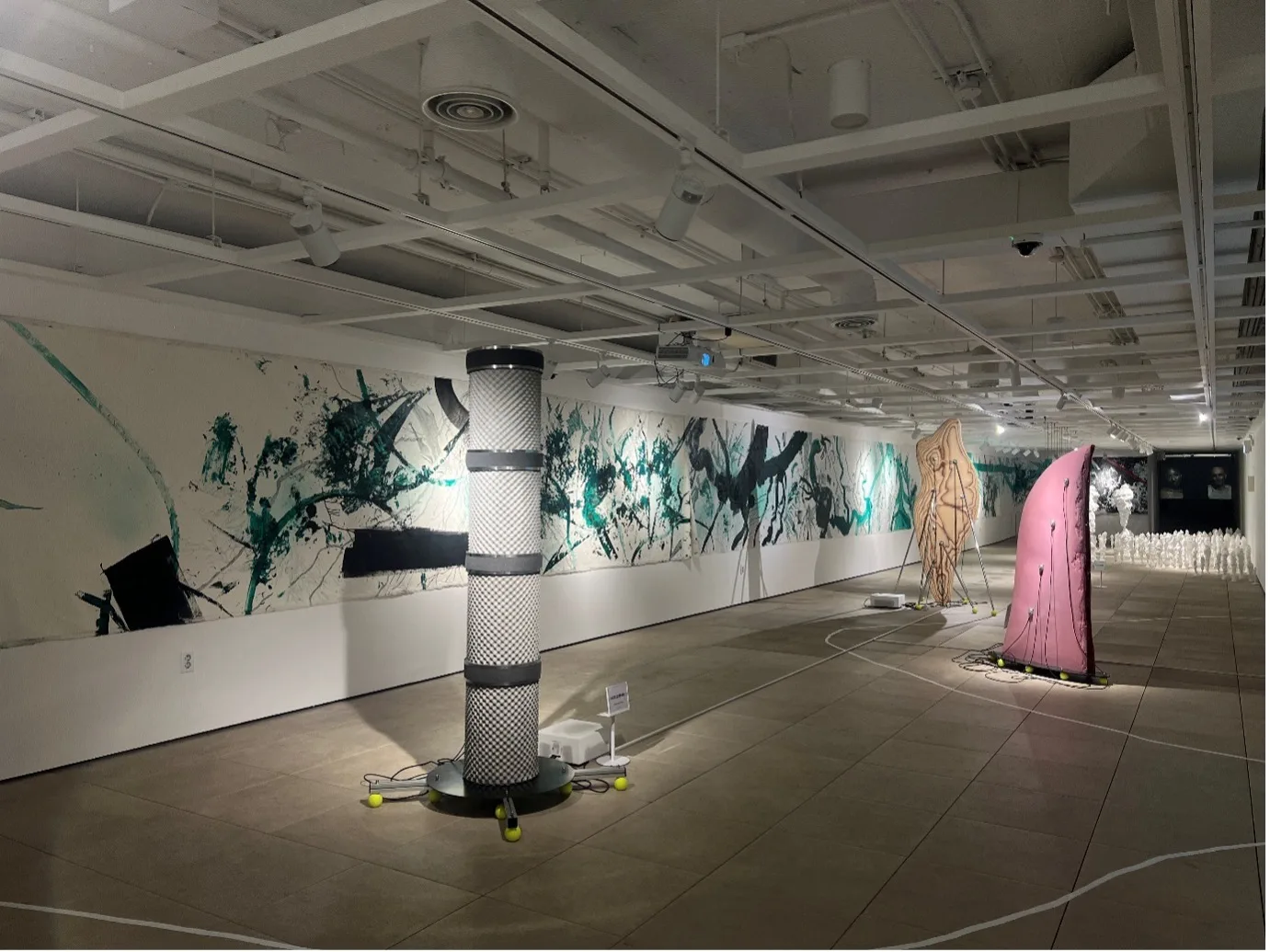
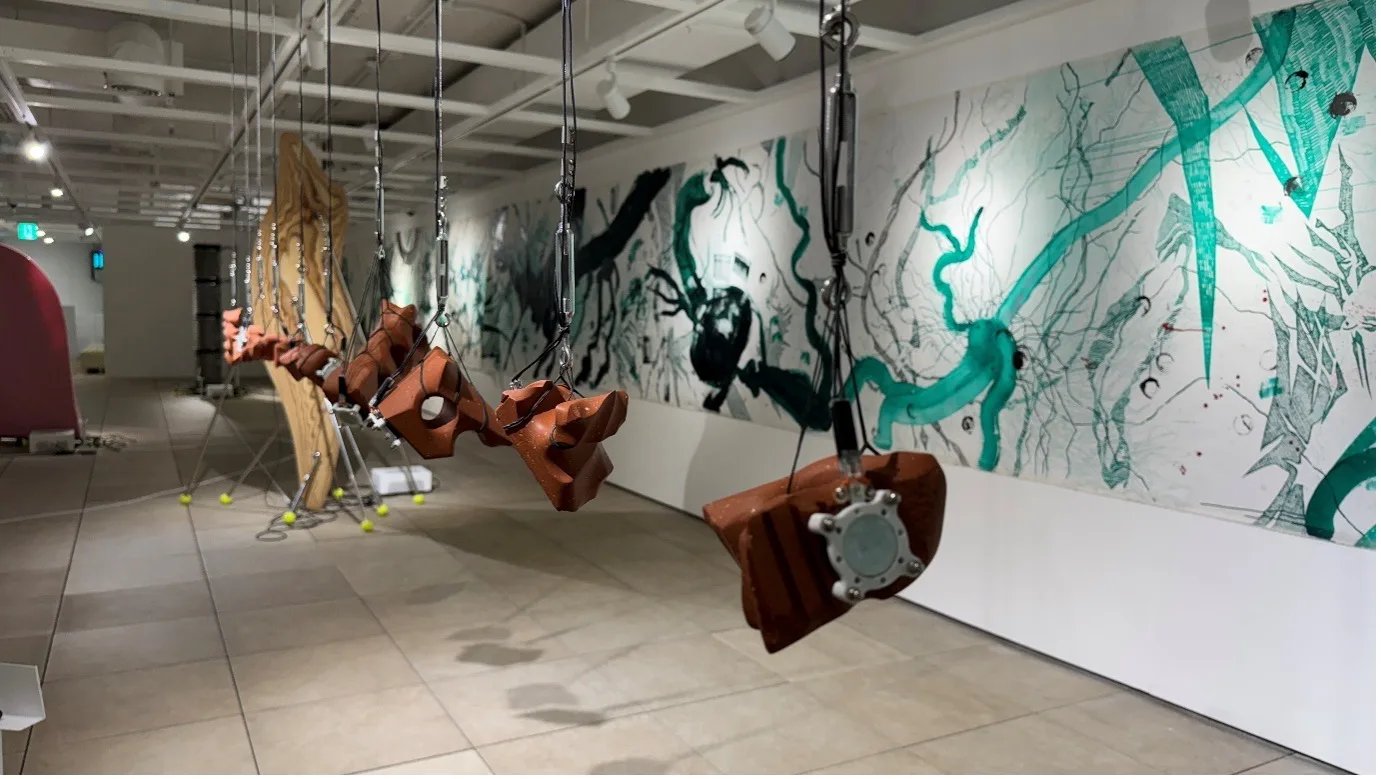
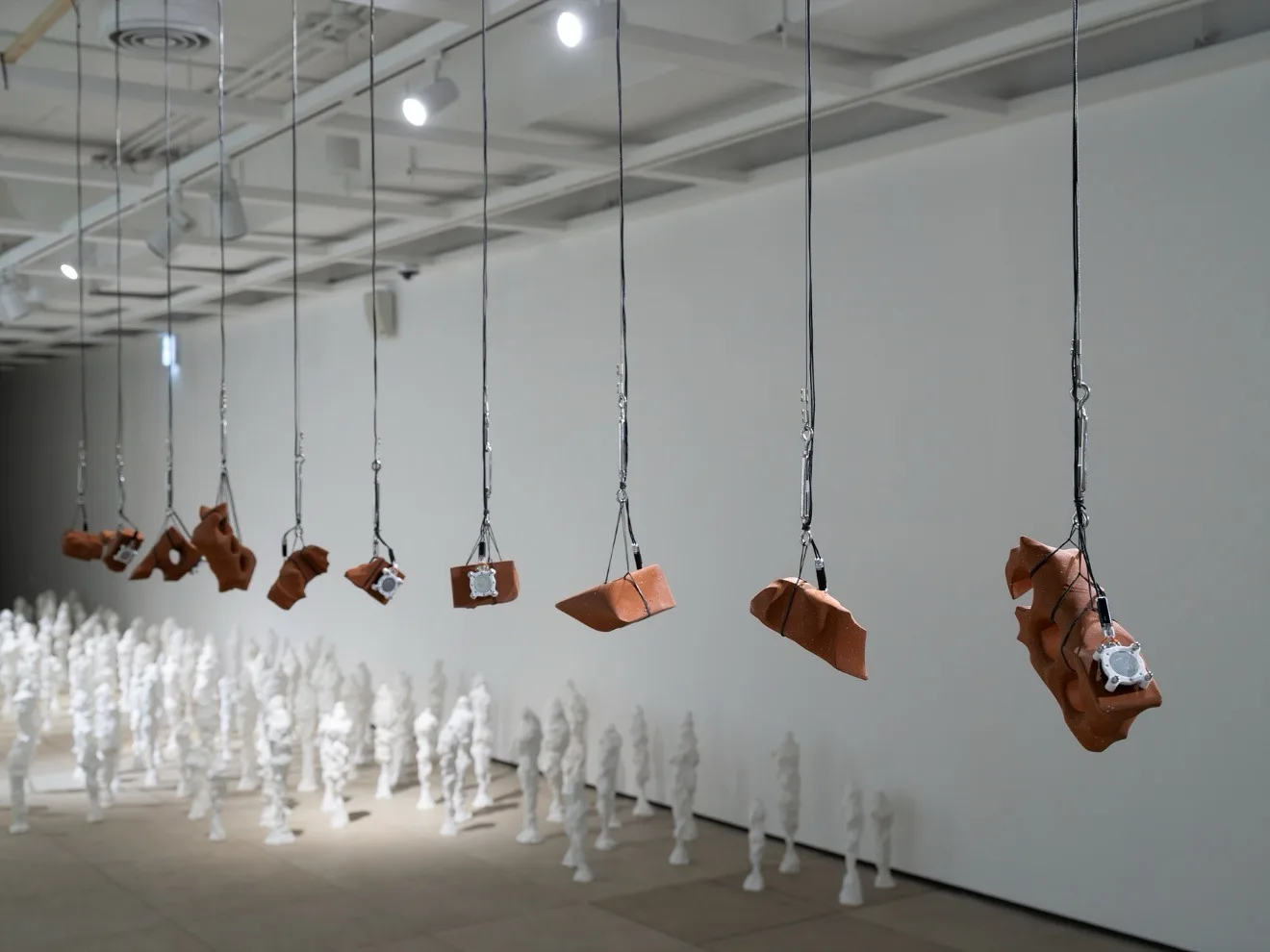
The item “pyeong(坪, a traditional Korean unit of area, equivalent to approximately 3.3㎡)” is attractive. It is the unit, the area, the measure of value and also the criterion for judgement. It even expresses synecdochically. It permeates many areas, including industry, geometry, investment, living, culture, and the arts. First of all, there are many people who think – or feel like – they know it. Speaking of synecdoche, attractive materials, artworks, or exhibitions generally possess a strong synecdochical characteristic. It refers to a small and minor item with nothing especially notable, but it has much to discuss from every direction. A short synopsis contains endless content to ruminate on and dwell upon, much like gum that never loses its sweet flavor. If it had a physical form, it would appear narrow but vast, like a high-
Let us discuss the perspective and drawing techniques. Curators So-
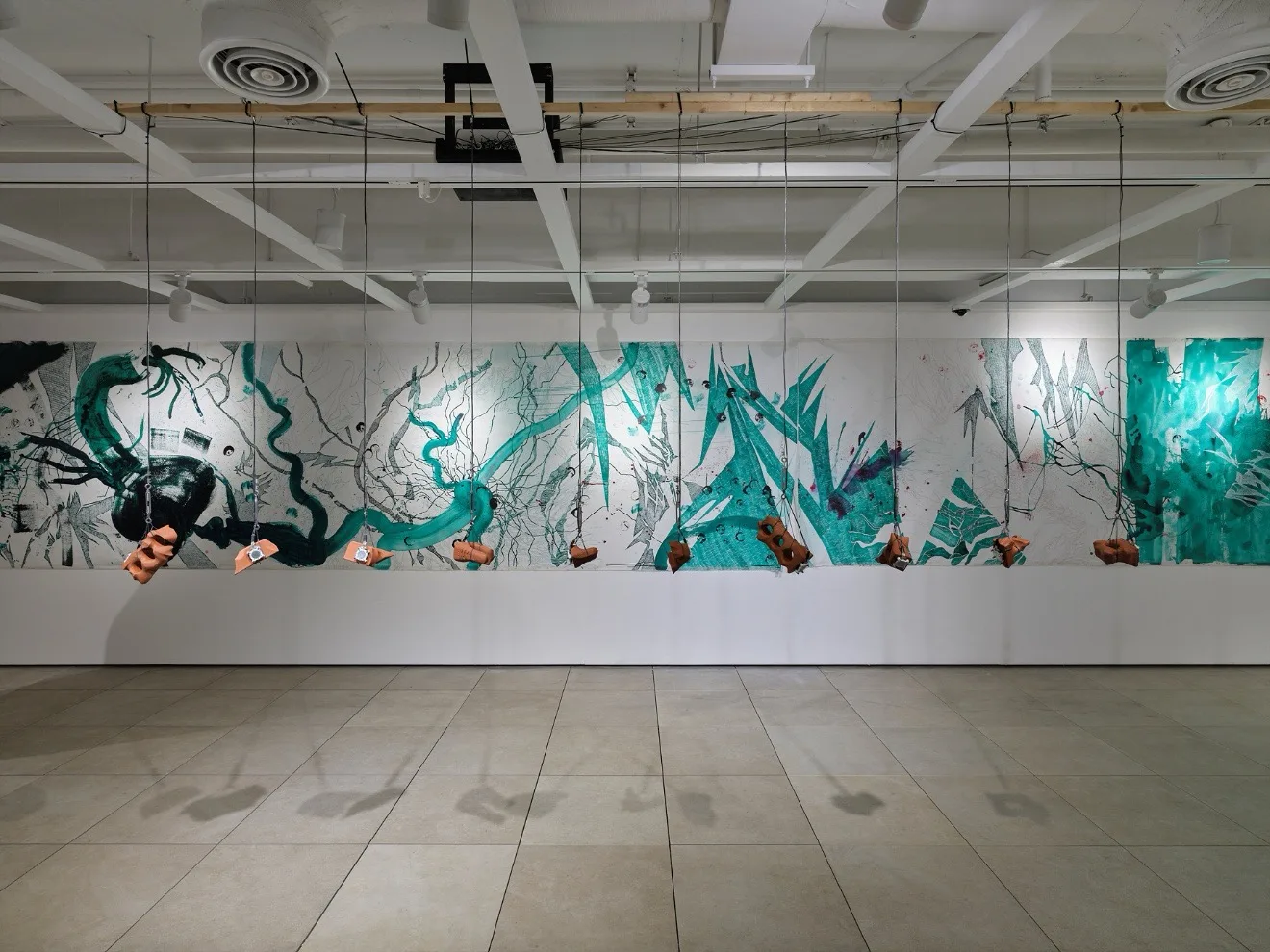
The intuitive drawing technique I favor is not always the key. Once you have your key or answer in your mind, or you have discovered it, the attractiveness of the art scene would diminish significantly. It is enough to hand over a cane for a timid spectator to rely on. How comforting it would be if the curatorial direction could be visualized or materialized, and then come closer, like a cane or a sign. “This exhibition beats around and around and around the bush. Understanding everything all at once would hurt the exhibition.” There is no artwork without intention, nor an exhibition without intention. There is only an intention to have no intention. It is a curator’s duty to guide you to figure it out in whatever form that may take.
April 2025. Published by ACK. The copyright of the article published by ACK is owned by its author.
2025.04. ACK 발행. ACK (artcritickorea) 글의 저작권은 필자에게 있습니다.