2026 ACK ack ack ack: Artist-
My skin had been fine for a while, but now it's a mess again. Spring in New York is so dry that I am constantly coughing, and every inch of my body itches so badly that it's all I can think about. Ah! My nail. It broke again. I casually flick it onto the desk. The jagged edge of the broken nail catches against my skin and gets on my nerves. I notice these tiny discomforts so easily, yet I rarely spare a thought for the piece of nail that's fallen away.
Based in New York, artist Park Jungeun (b. 1999) explores the diverse textures and sensations encountered in everyday life, traces separated from the body, and the things we see, touch, and experience every day yet so easily overlook. Transforming these elements into glass and ceramic, she constructs a sculptural language that preserves them in fixed forms. Park is particularly interested in the traces of the body and of life that we are aware of yet habitually ignore. By merging these remnants with the immutable materiality of glass, she presents them as contemplative objects that invite reflection. She emphasizes that the subtle tactile experiences of daily life—such as repeated gestures of putting on, taking off, rolling, or gripping a ring—constitute an artistic practice in which sensation, attitude, and action are inseparably intertwined. This approach reflects her broader artistic inquiry into challenging the conventional belief that ordinary objects and materials hold no inherent artistic value. The artist also investigates materials that have separated from the body but continue to bear biological traces—hair, umbilical cords, wisdom teeth, placentas, tears, and menstrual blood—reintroducing them as visual subjects. Her works evoke specimens in which the body's interior has been preserved and solidified, rendered through smooth, polished surfaces. Through the unique properties of glass, these traces of life and the body are transformed into permanent sculptural forms. As Park writes in her artist statement: “I observe and remember the uncomfortable moments that, day after day, arrest my gaze, my thoughts, and my steps. These are scenes involving the body that we casually pass by or deliberately avert our gaze from in everyday life: a blood clot inside a raw egg, a dead rat, a pigeon limping on an infected foot, the mites that inhabit our pores.”
Park Jungeun extends her conception of life beyond a human-
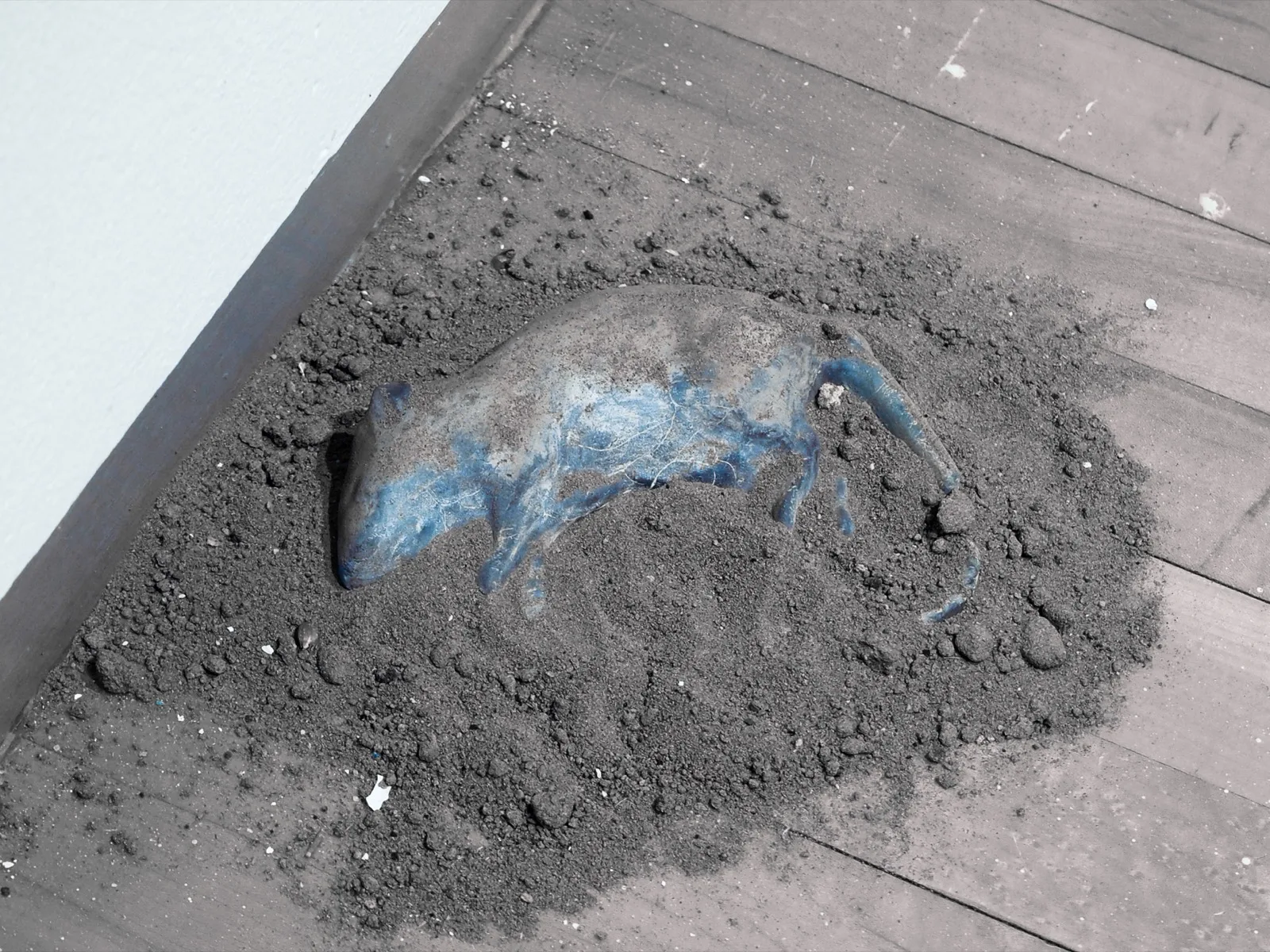
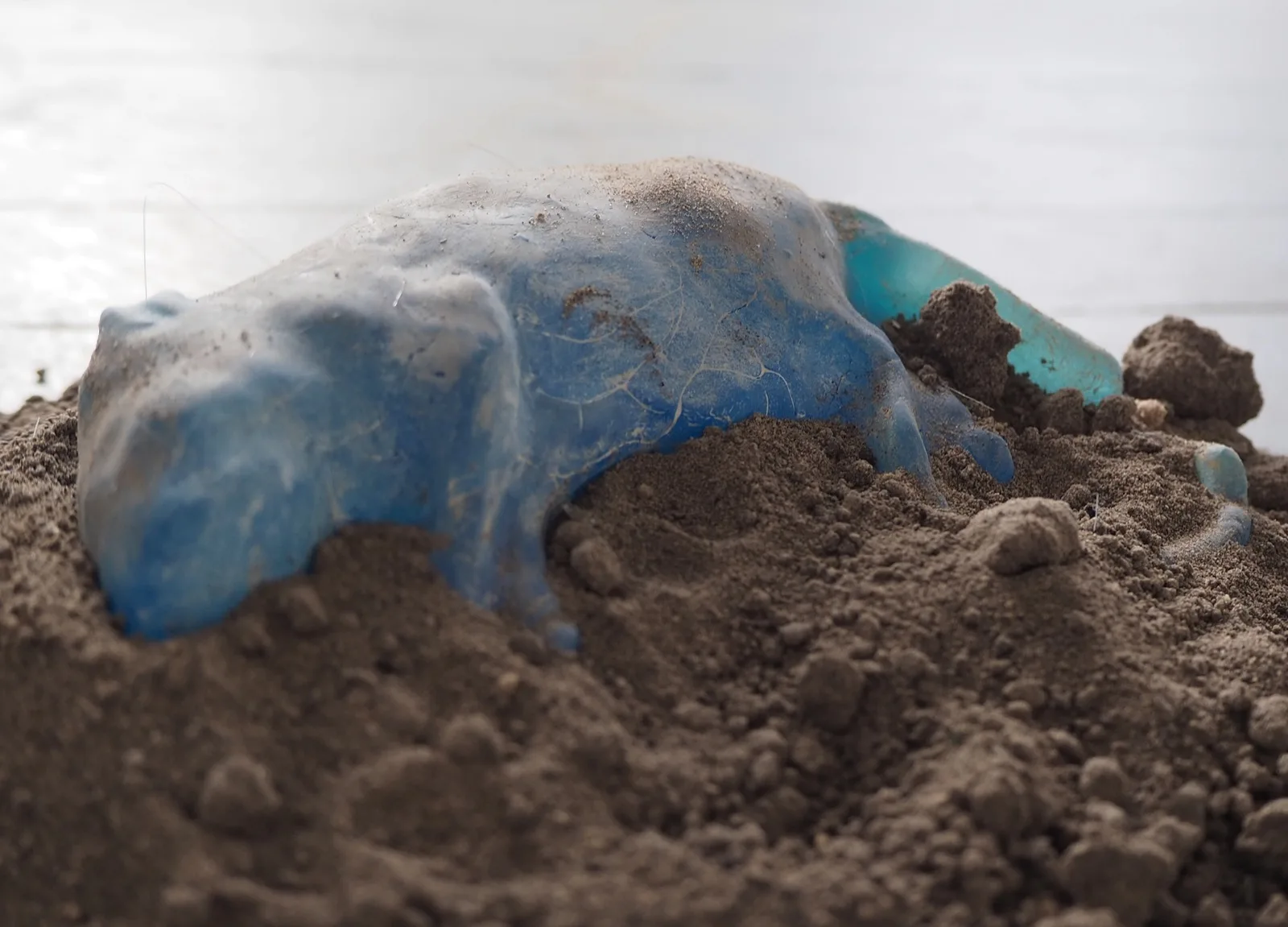
This work serves as a metaphor for beings that survive alongside humans within urban environments yet ultimately become excluded, while calling attention to life as another form of “companion” within the city. At the same time, the high density and chemical stability of glass paradoxically preserve the vitality of life, which is constantly shifting and disappearing, holding the uncontrolled energy of living matter in a sculptural state. Here, vitality exists like invisible particles, condensed in a state not yet fully revealed—like the reproductive organs of a shellfish, the yolk inside an egg, or the embryo dormant within a grain of rice. 〈Rice〉 (2025) expands this condition at the most microscopic scale. The artist enlarges a single grain of rice and reconstructs its internal “rice embryo” alongside it. The rice embryo is the part of the grain from which a new sprout emerges; biologically, it is embryonic tissue capable of developing into new life. Rather than existing as a completed form, it remains in a latent state containing infinite possibilities. Park transforms the structure of the rice embryo into the earliest stage of cellular differentiation preceding the formation of an organism, revealing that even within the everyday ingredients we consume without thought, the potential structures of life are embedded. This line of inquiry extends to the observation of the female body. The artist closely examines her own body through an almost anatomical approach, focusing on bodily parts such as reproductive organs that are socially assigned specific functions or whose functions are not fully realized. The female body exists as a structure that repeatedly enacts the rhythms of generating life while simultaneously enduring pain and discomfort throughout the process. 〈The Fish (decidual cast)〉 (2025) emerges from this embodied experience. A mass of uterine lining found within menstrual blood can take on a form resembling a fish, and the artist reconstructs this bodily trace through sculpture. The forms of the fallopian tubes on both sides of the uterus are transformed into the branching structure of a goldfish tail. This work reinterprets menstruation not simply as a biological discharge, but as a rhythm of life in which processes of creation and dissolution continually repeat.
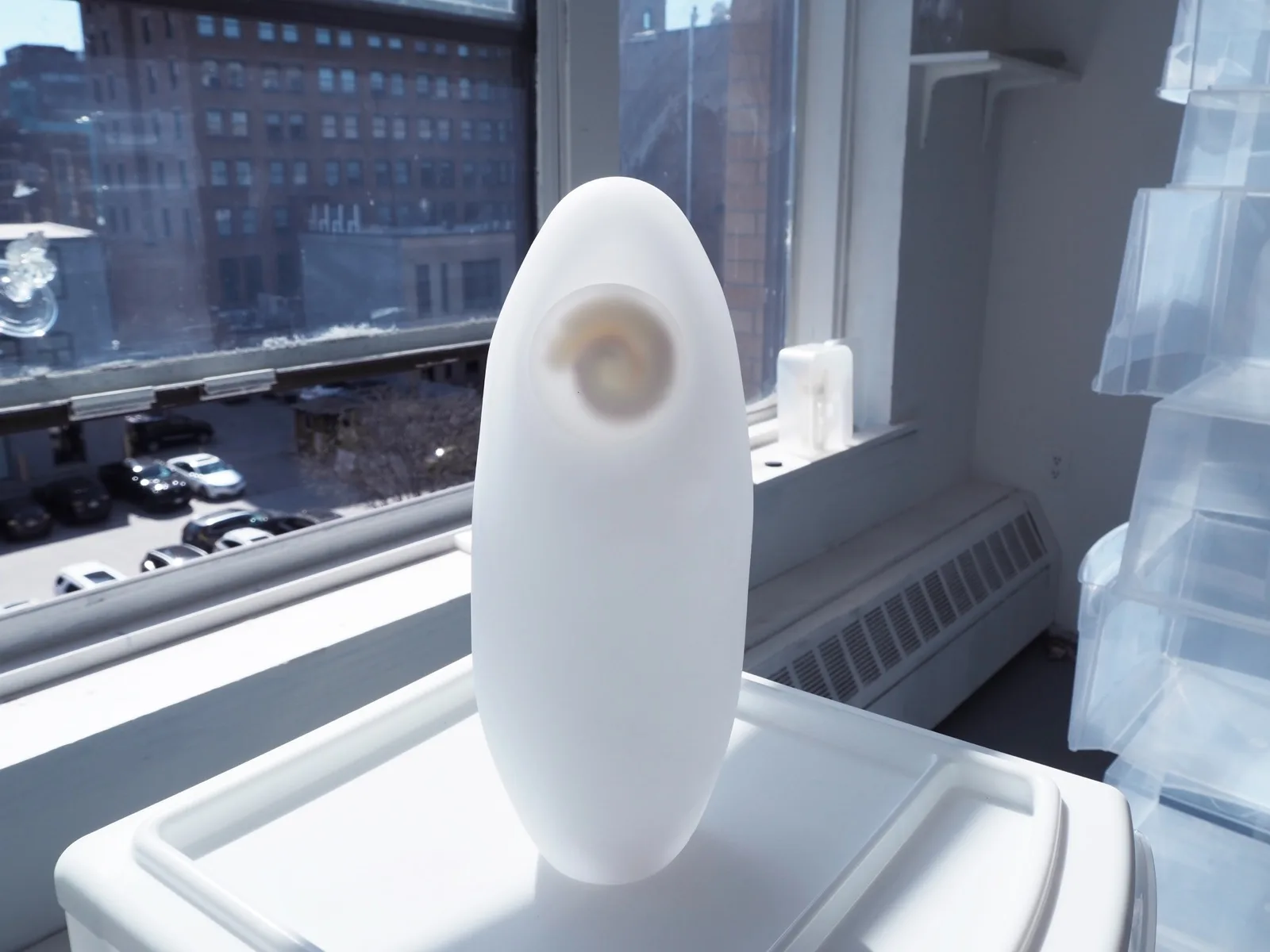
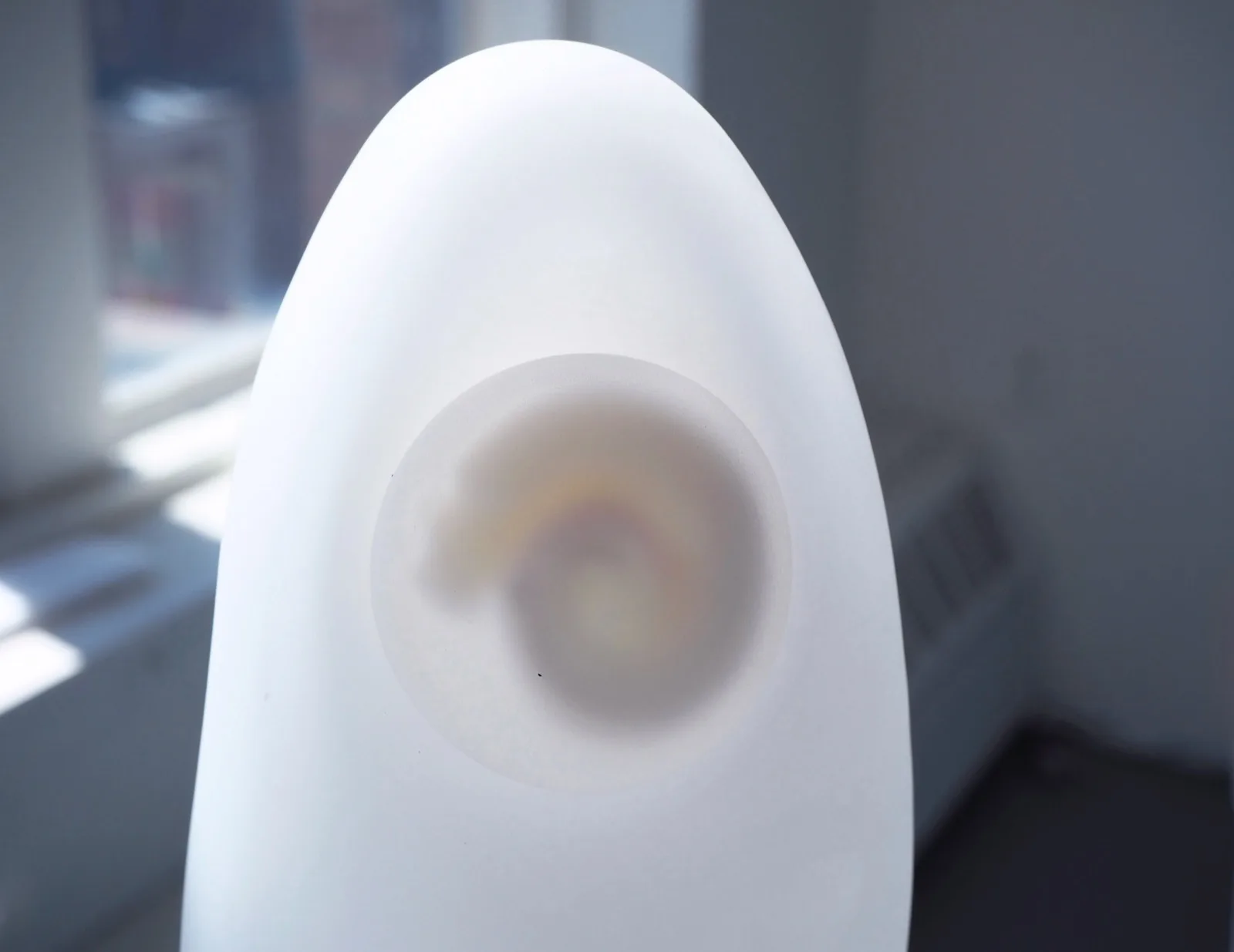
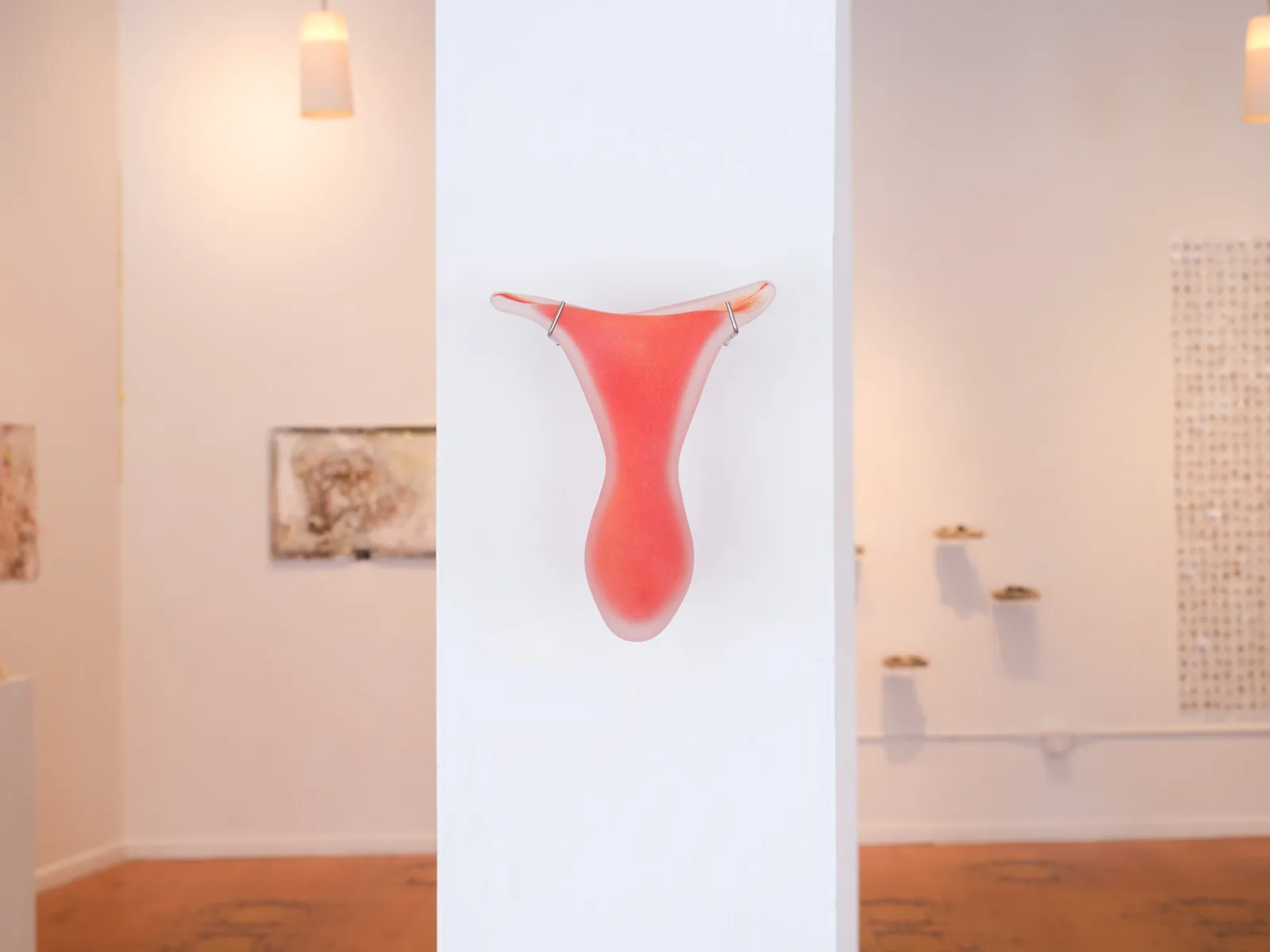
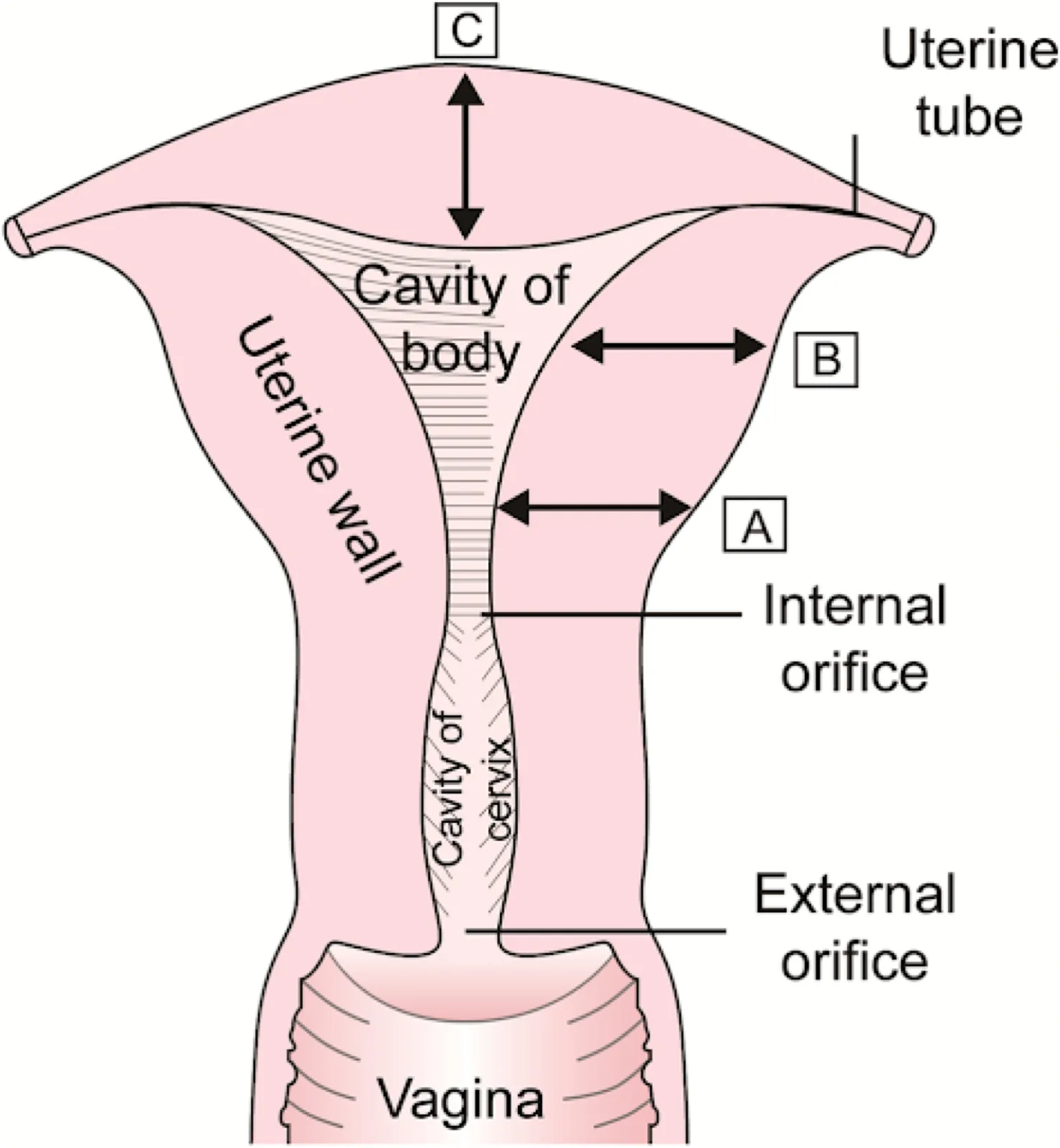
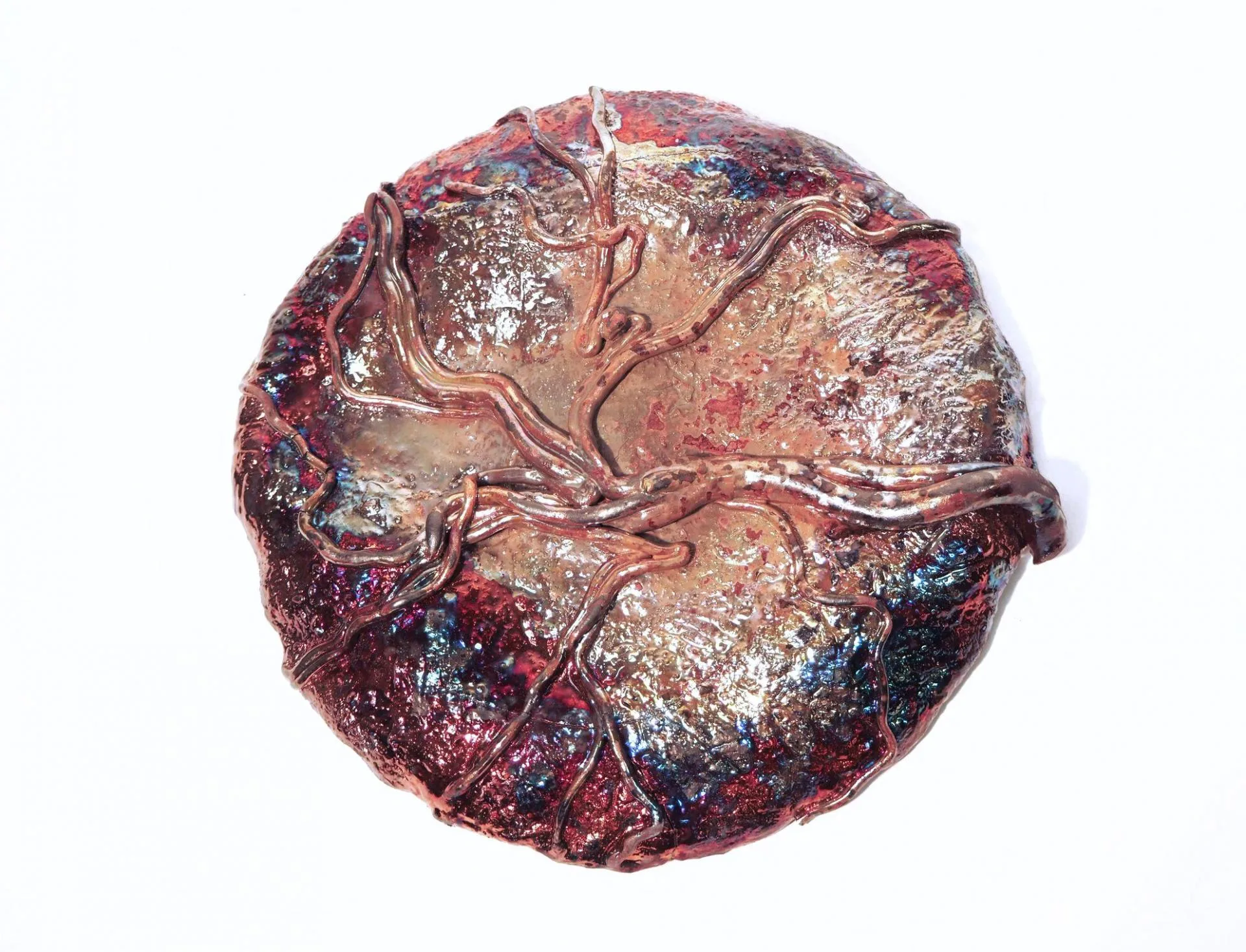
The female body exists as a state that holds the potential to generate life while simultaneously being accompanied by limitations and discomfort in everyday experience. The artist transforms this bodily condition not as a form of deficiency or loss, but as another possibility for creation. In this process, materials separated from the body do not simply disappear; instead, they remain as structures of potential capable of forming new configurations. 〈Placenta〉 (2025) faithfully recreates the placenta, the organ that connects the fetus to the maternal uterine lining. The placenta supplies the fetus with oxygen and nutrients received from the mother, protects the developing fetus, and facilitates the removal of waste products. Contrary to common assumptions, the placenta is not created solely by the mother but is formed through the developing fetus itself. Once the baby is born, the placenta completes its function and separates from the body. It is a presence that was once indispensable yet ultimately becomes a discarded remnant, abandoned after having fulfilled its vital role. The artist directly observes the placenta, researches medical texts, and traces the processes involved in the emergence of life. The vividly red, blood-
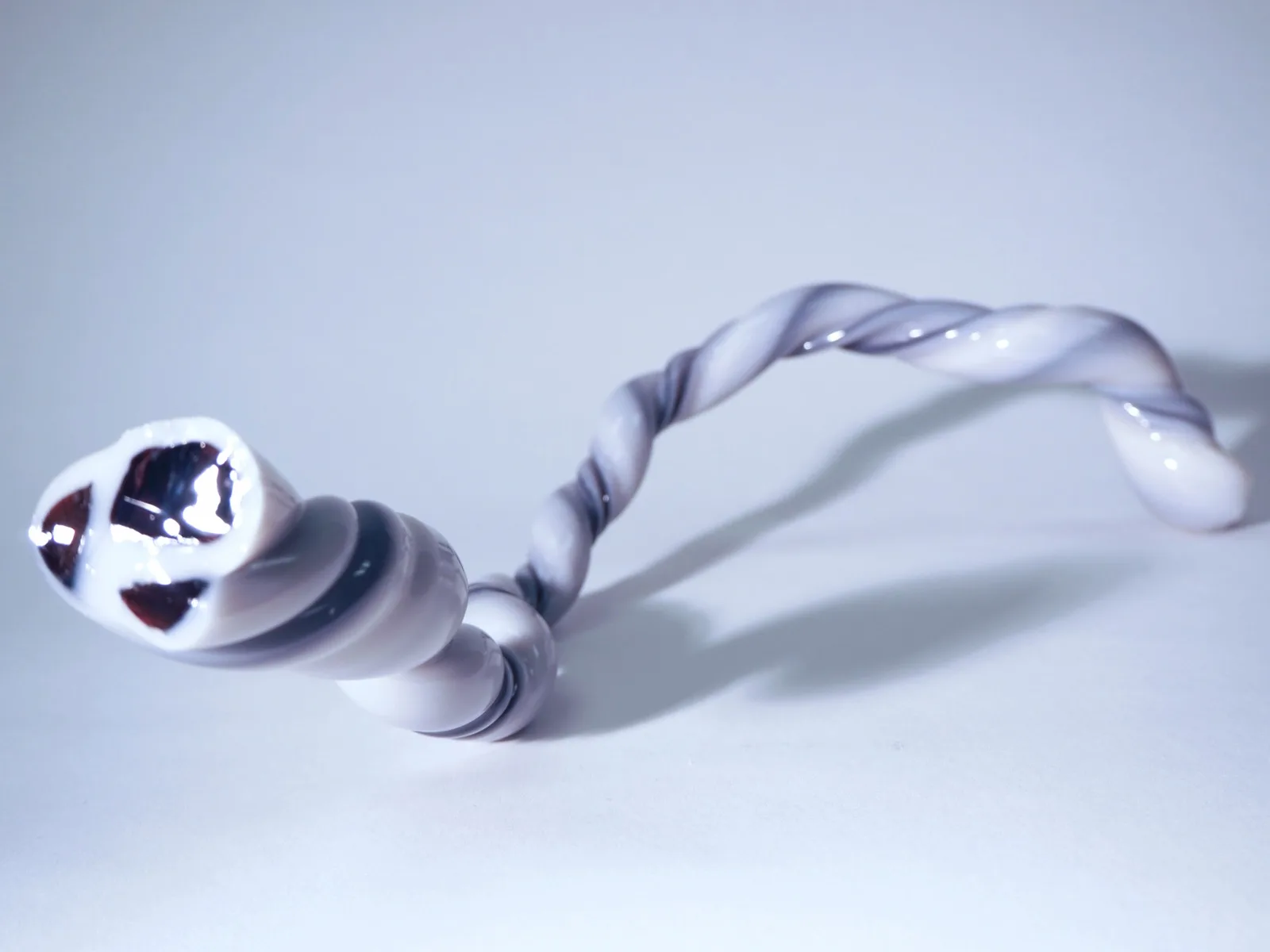
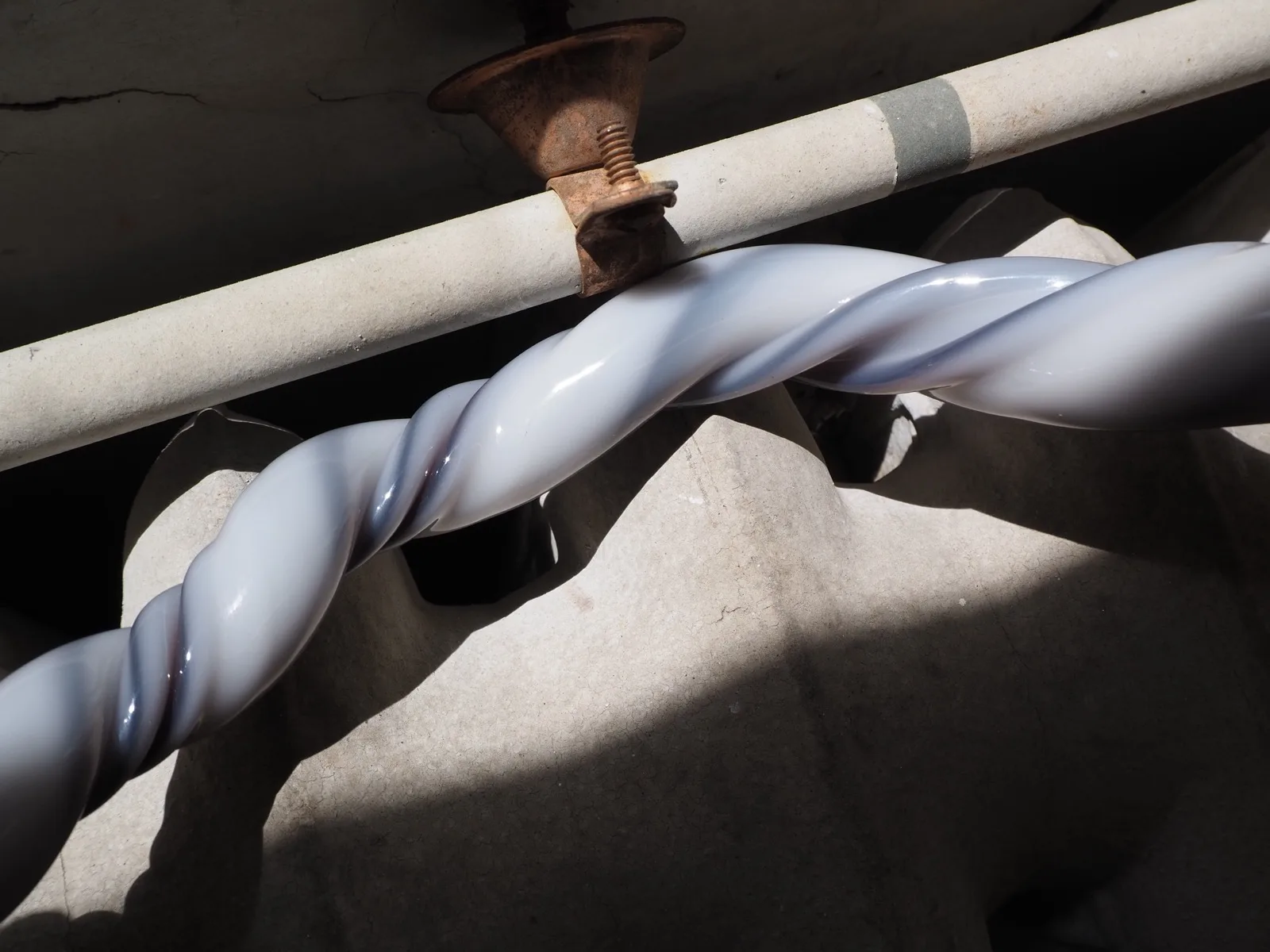
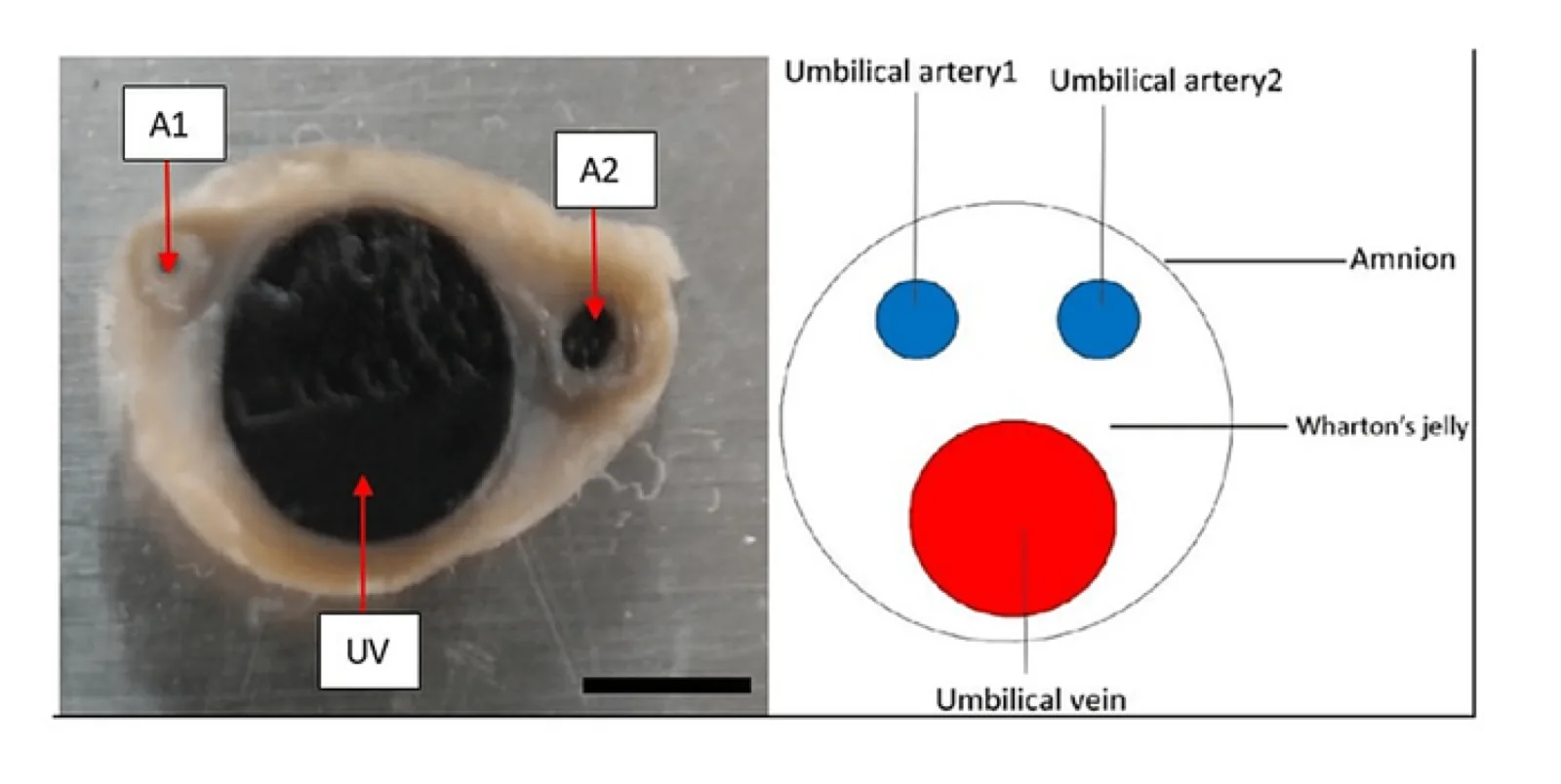
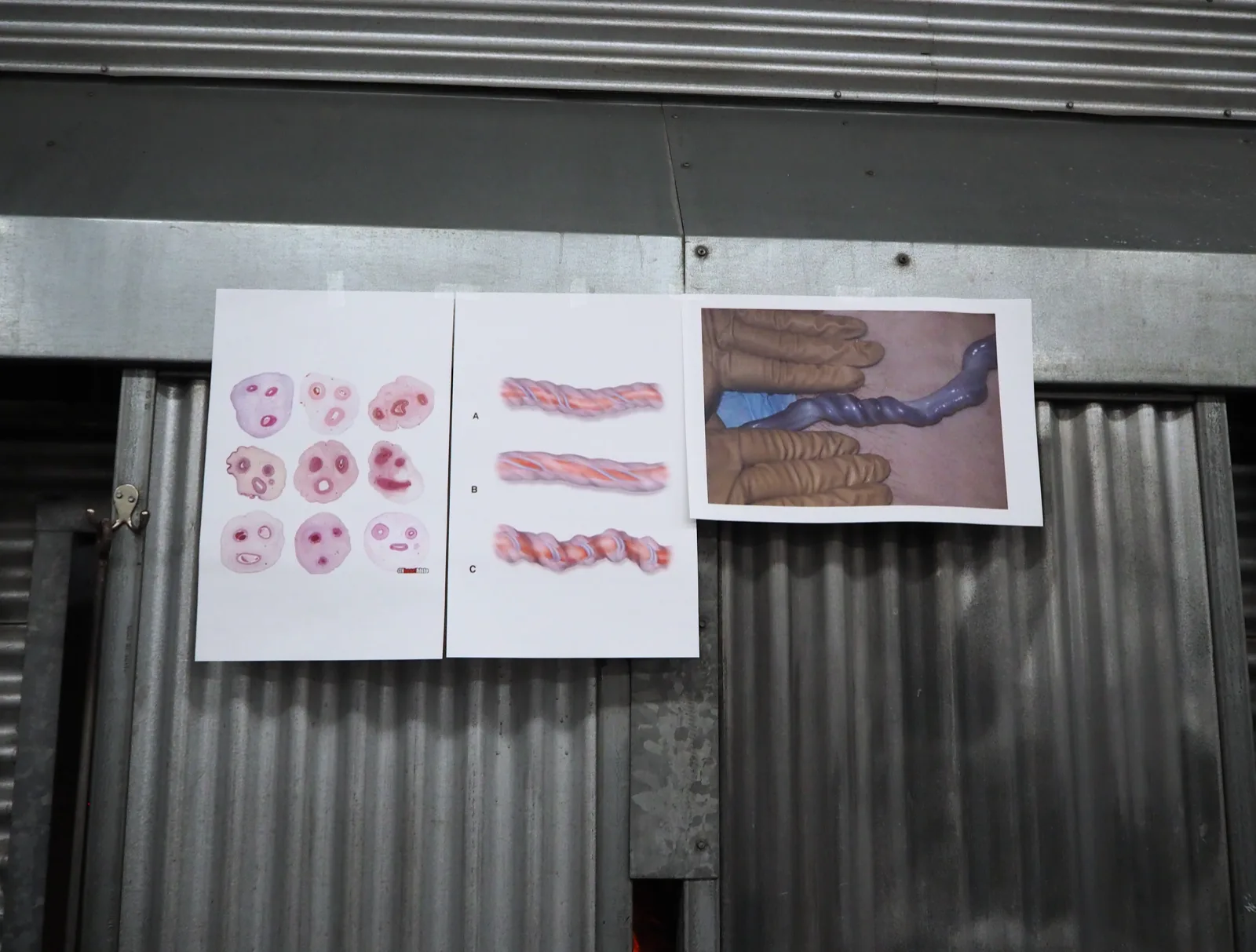
〈Umbilical Cord〉 (2025) emerges from the artist’s experience of discovering her own umbilical cord together with her mother. Contrary to her expectations, the umbilical cord she found had dried over time, curled and yellowed like a dried anchovy. She recalls feeling a sense of sadness at the sight. Through this work, she recreates the umbilical cord in glass—a material that never dries or decays—allowing the moment of birth to be preserved and remembered. It is as though a vanished trace of life has been given a second existence. The artist also notes that the cross-
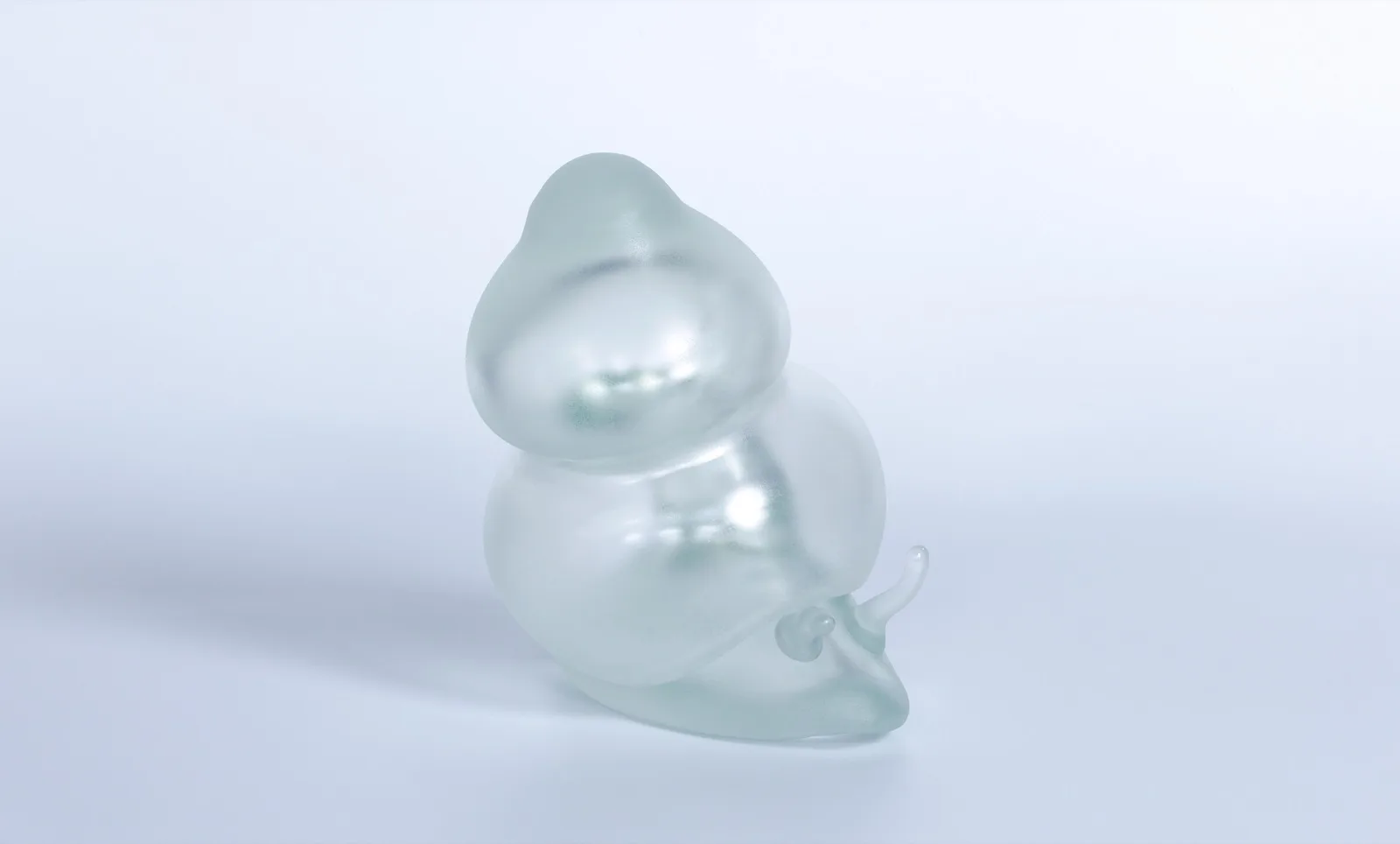
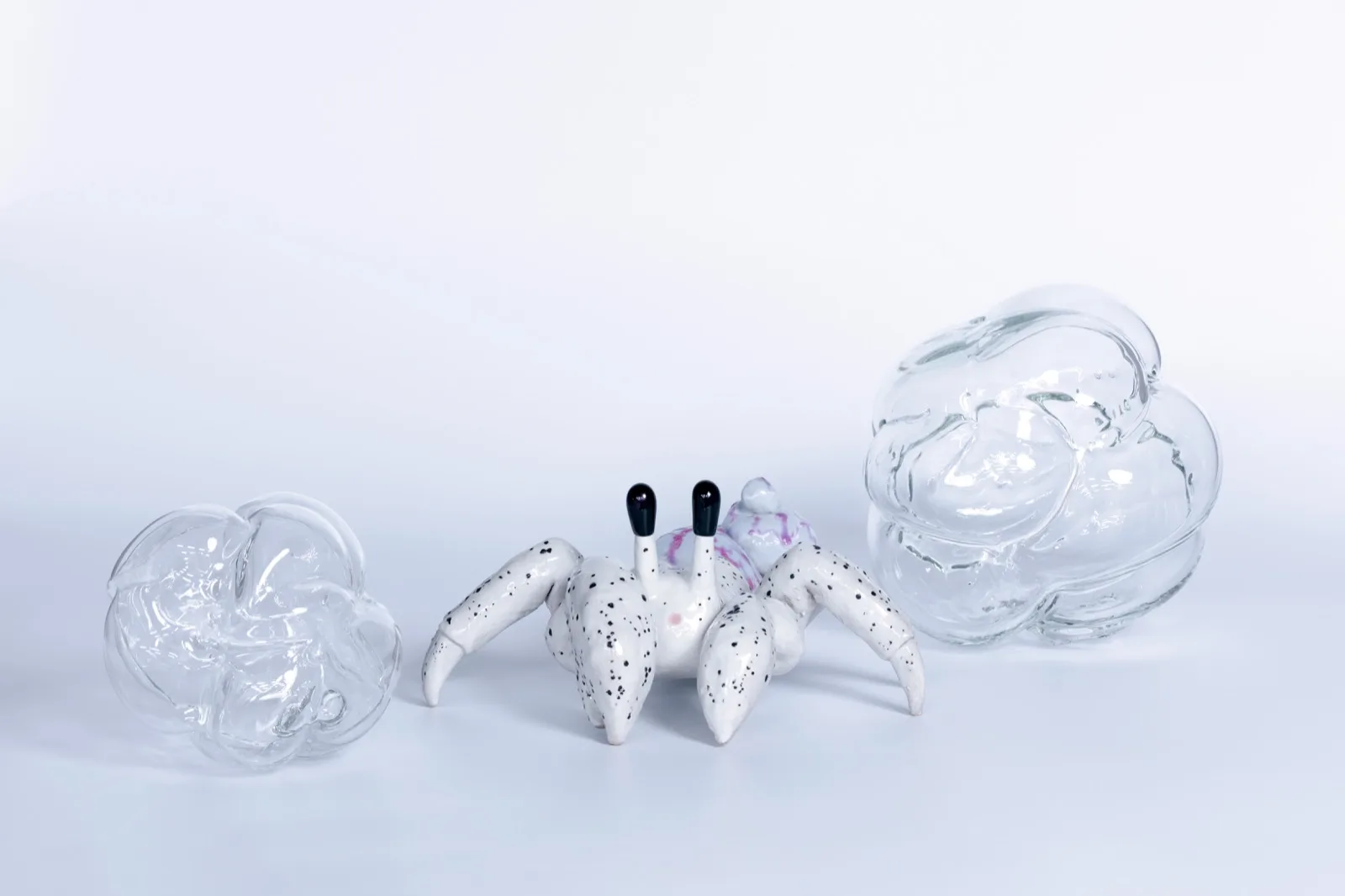
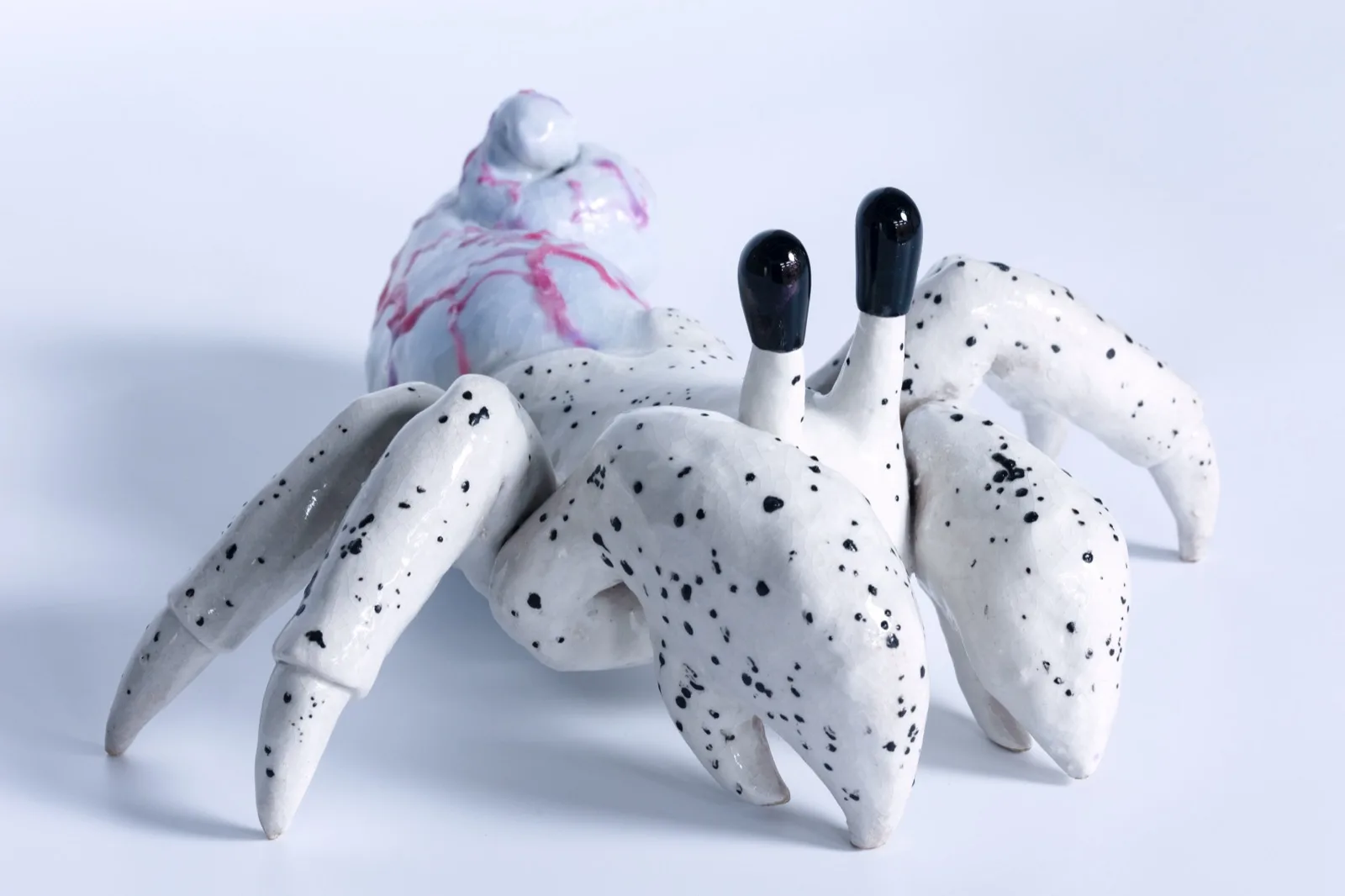
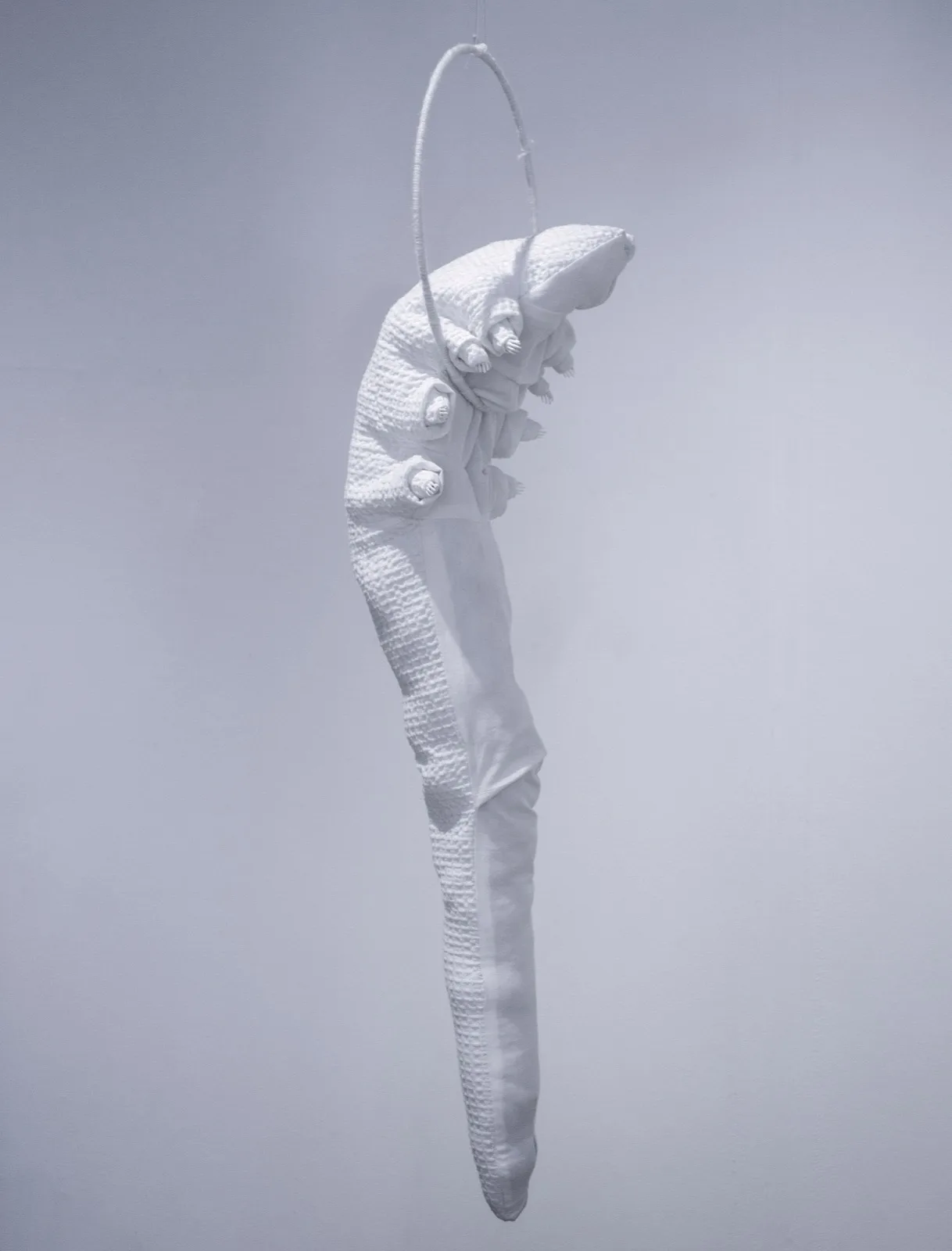
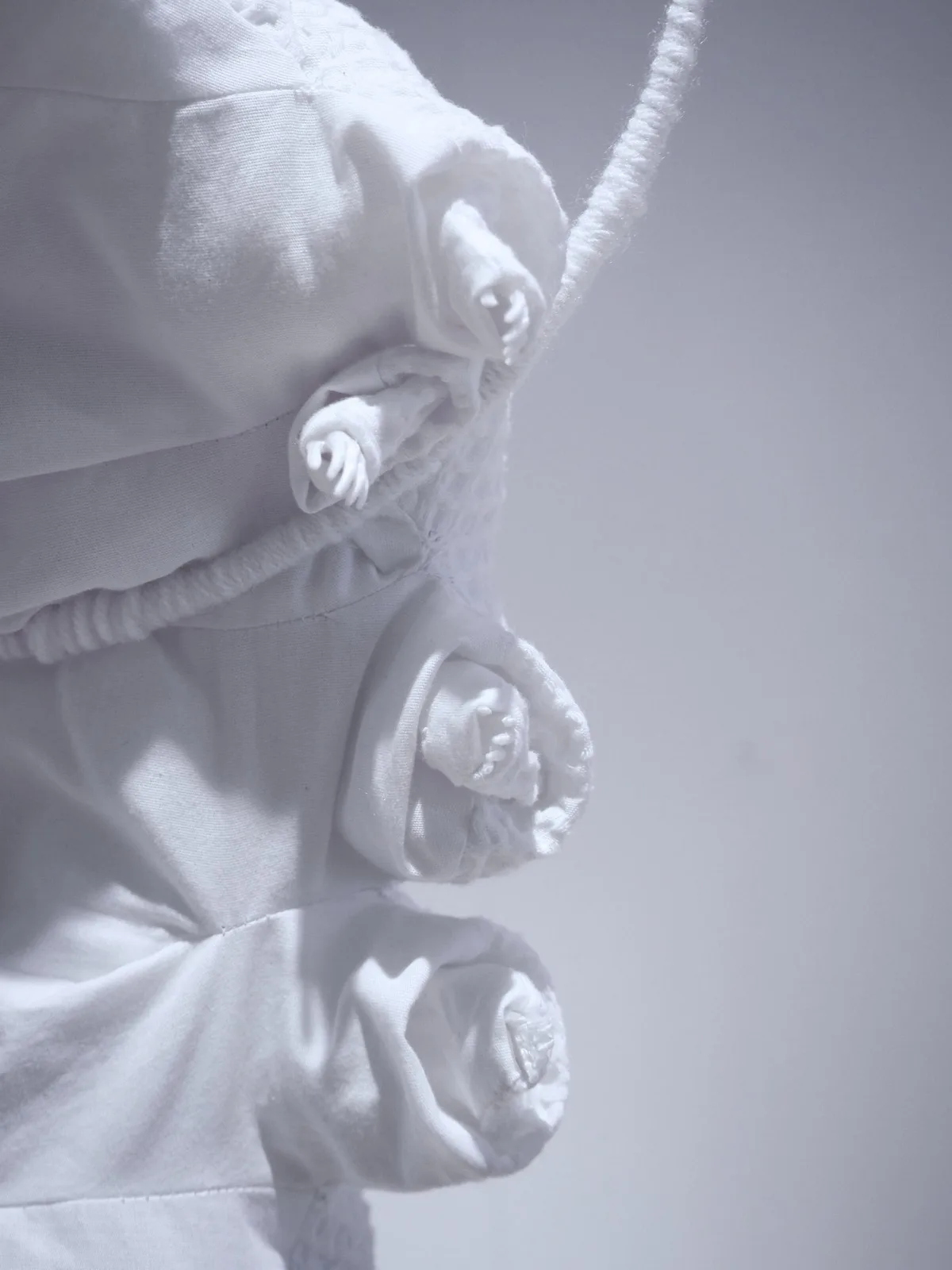
As discussed earlier, Park Jungeun observes the body with meticulous attention. Her subsequent experiments and works expand this inquiry into the body across a wider range of forms and subjects. She also traces the movement patterns of living organisms and investigates the remarkable diversity of the bodily organs they carry—what I prefer to call their tools. 〈Snail〉 (2022) recreates a snail in glass. The snail's movement is defined less by speed than by the act of “passing through” space and “leaving traces behind”. As its entire body repeatedly contracts and expands, secreting mucus to minimize friction with the ground, its movement becomes less an act of “locomotion” than one of producing traces. Similarly, the hermit crab in 〈Find Your Shell〉 (2022) is a creature that carries its home outside its body. Unlike the snail, however, the hermit crab's shell is not permanent but a temporary structure to be replaced. Unable to produce a hard shell of its own, it survives by borrowing discarded shells to protect its body. Its survival is a continual process of unstable adaptation. As the body grows, the shell inevitably no longer fits, and what once offered protection becomes a source of discomfort. For the hermit crab, settlement is never the goal; movement itself forms the fundamental rhythm of survival. Although the snail and the hermit crab both carry shells, they move through and occupy space in fundamentally different ways. Inadvertently, they also reshape their own habitats and those of other organisms. Through the traces they leave behind, they reveal their presence and sustain their existence. 〈Skin Mite (Demodex)〉 (2025) is made from the fabric of a pillowcase that the artist purchased from a secondhand store. She created the tiny limbs of the mites using 3D printing. Demodex mites are microscopic parasites that live on human facial skin. They are carried by everyone, quietly linking one life to another.
Park Jungeun's work is not grounded in a fixed political position or predetermined identity. Rather, it begins with the full spectrum of sensations experienced through the “body” itself. Through biological structures such as blood, the umbilical cord, and the placenta—structures that function alike regardless of race—she reveals the shared conditions of human existence and reflects on a form of being that transcends individual identities. Working with materials such as glass and fabric, Park draws objects of disgust and anxiety to the surface, creating the paradox of allowing them to be observed in forms that appear clean, stable, and safe. Glass, in particular, functions not as a symbol of fragility but as one of the most chemically stable materials, remaining both nonreactive and resistant to corrosion while simultaneously retaining an inherent sense of tension. This inquiry extends to the movement patterns and survival strategies of animals, ultimately leading to a reconsideration of the body, movement, and the very ways in which relationships are formed. In the first place, no material exists in complete separation from human. For that reason, she chooses not to turn away from anything.
August 2026. Published by ACK. The copyright of the article published by ACK is owned by its author.
2026.08. ACK 발행. ACK (artcritickorea) 글의 저작권은 필자에게 있습니다.